

© Everything Santa Clarita

Mentryville

Mentryville | California's Pioneer Oil Town in Santa Clarita
SCV History/Mentryville
Mentryville
Oil Heritage

Mentryville

Mentryville photo 1Mentryville photo 2Mentryville photo 3Mentryville photo 4Mentryville photo 5

An 1880s oil boom town at the base of Pico Canyon, home to California's first commercially successful oil well (Pico No. 4) and several preserved historic buildings. A California State Historical Landmark managed by the MRCA.

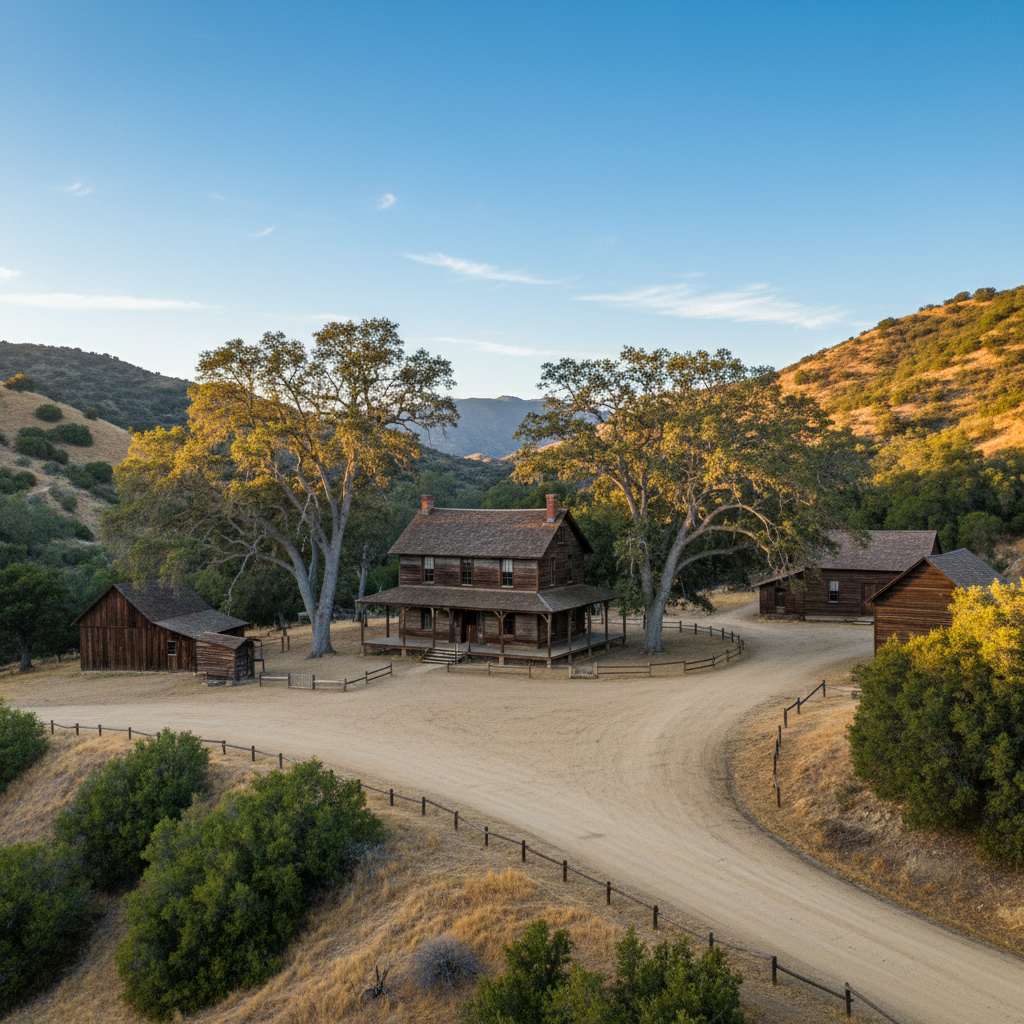
Mentryville is one of the most remarkable historic sites in Southern California and a flagship destination in the Santa Clarita Valley's rich heritage. Nestled at the base of Pico Canyon's chaparral-covered slopes, this 1880s oil town tells the story of how California became an energy giant — and it all started right here. The town is named after Charles Alexander Mentry, the tenacious driller who supervised the operation that would eventually become Chevron. In 1876, the California Star Oil Company struck oil in Pico Canyon, and Pico No. 4 went on to become the longest continually operating oil well in the world, finally closing in 1990 after over a century of production. At its peak, Mentryville was home to more than 100 families. Workers and their families lived in company housing surrounding the oil operations. Today, several historic structures survive, including Mentry's grand thirteen-room mansion (known as the Pico Cottage or Big House), a one-room schoolhouse, and a period barn. The town and Pico No. 4 are registered as California State Historical Landmarks. Managed by the Mountains Recreation and Conservation Authority (MRCA), Mentryville sits within the Santa Clarita Woodlands Park. Beyond the historic buildings, the site serves as a gateway to hiking, biking, and equestrian trails into the backcountry of Pico Canyon and the Santa Susana Mountains. The combination of California history and outdoor recreation makes Mentryville unlike any other destination in the valley. The town is accessible via Pico Canyon Road from Newhall. A $5 parking fee applies at the lot. From the parking area, a short walk leads to the historic buildings, and trails extend deeper into the canyon for those wanting a longer adventure.

Historical Significance

Mentryville represents the birthplace of Southern California's petroleum industry. Pico No. 4, drilled in 1876, was the first commercially successful oil well in the western United States. The well operated continuously for over 114 years, making it the longest-running oil well in world history. The California Star Oil Company that operated here eventually became part of Standard Oil of California, which in turn became Chevron. Mentryville and Pico No. 4 are designated California State Historical Landmarks (No. 516).

What to See & Do

Walk through the preserved townsite including Mentry's 13-room mansion, the one-room schoolhouse, and the period barn. See the site of Pico No. 4 and interpretive signs about the oil era. Hike the Pico Canyon Trail into the backcountry. Enjoy oak-shaded picnic areas. In spring, the canyon comes alive with wildflowers and seasonal creek flow.

On-Site Destinations

Pico No. 4 Well Site

Est. 1876

The site of the first commercially successful oil well in the western United States, drilled in 1876. Operated continuously for 114 years.

Mentry Mansion (Pico Cottage)

Est. 1880s

Charles Alexander Mentry's grand 13-room mansion, the largest structure in the original townsite.

One-Room Schoolhouse

Est. 1880s

The preserved schoolhouse that served children of Mentryville's oil worker families.

Visitor Tips

A $5 parking fee applies at the Mentryville parking lot. The site is open dawn to dusk. Dogs are allowed on leash. The terrain is mostly flat around the historic buildings but trails into the canyon vary in difficulty. Bring water and sun protection, especially in warmer months. Restrooms are available near the parking area.

Frequently Asked Questions

Visit Information

27201 Pico Canyon Road, Newhall, CA 91381

Dawn to dusk daily

$5 parking fee

Mountains Recreation and Conservation Authority (MRCA)

Best For

History Lovers
Hikers
Families
Photographers
Students
Tourists
Newcomers
Editor Reviewed· Apr 1, 2026
Updated · Apr 2, 2026