
The Story of
Big Bear
From Yuhaaviatam homeland and grizzly-filled Bear Valley to Holcomb's gold rush, the dam that created the lake, the rise of mountain tourism, and Southern California's ski-country era.
A Valley Built in Layers
Big Bear's story begins long before the lake, the ski runs, the cabins, or the Village. The valley was known as Yuhaaviat — Pine Place — homeland of the Yuhaaviatam, a clan of the Serrano people who lived in the San Bernardino Mountains for roughly 2,000 years. Their relationship with the pine forests, springs, wildlife, seasonal routes, and high-country landscapes is the oldest and most important layer of Big Bear history.
The modern Big Bear story then unfolds through a series of dramatic transformations: Benjamin Davis Wilson's 1845 expedition and the grizzly-bear naming tradition; William Holcomb's 1860 gold discovery and Southern California's largest gold rush; Frank Brown's 1884 Rock Dam and the 1912 enlarged Bear Valley Dam that shaped the lake; the 1915 Rim of the World Highway and 1916 recreation opening that brought boating, fishing, and auto tourism; and the ski era beginning with Moonridge in 1943, Snow Forest in 1949, and Snow Summit in 1952. Big Bear Lake incorporated as a city in 1980, but the valley's history is far older, deeper, and more layered than its modern resort image suggests.
Big Bear Valley was known to the Yuhaaviatam as Yuhaaviat — Pine Place — long before the modern lake existed.
Historical Timeline
Explore Big Bear history from Yuhaaviatam homeland to gold rush, lake engineering, resort life, ski culture, and the modern city era. Click any event to read the full story.
Yuhaaviatam — The People of Pine Place
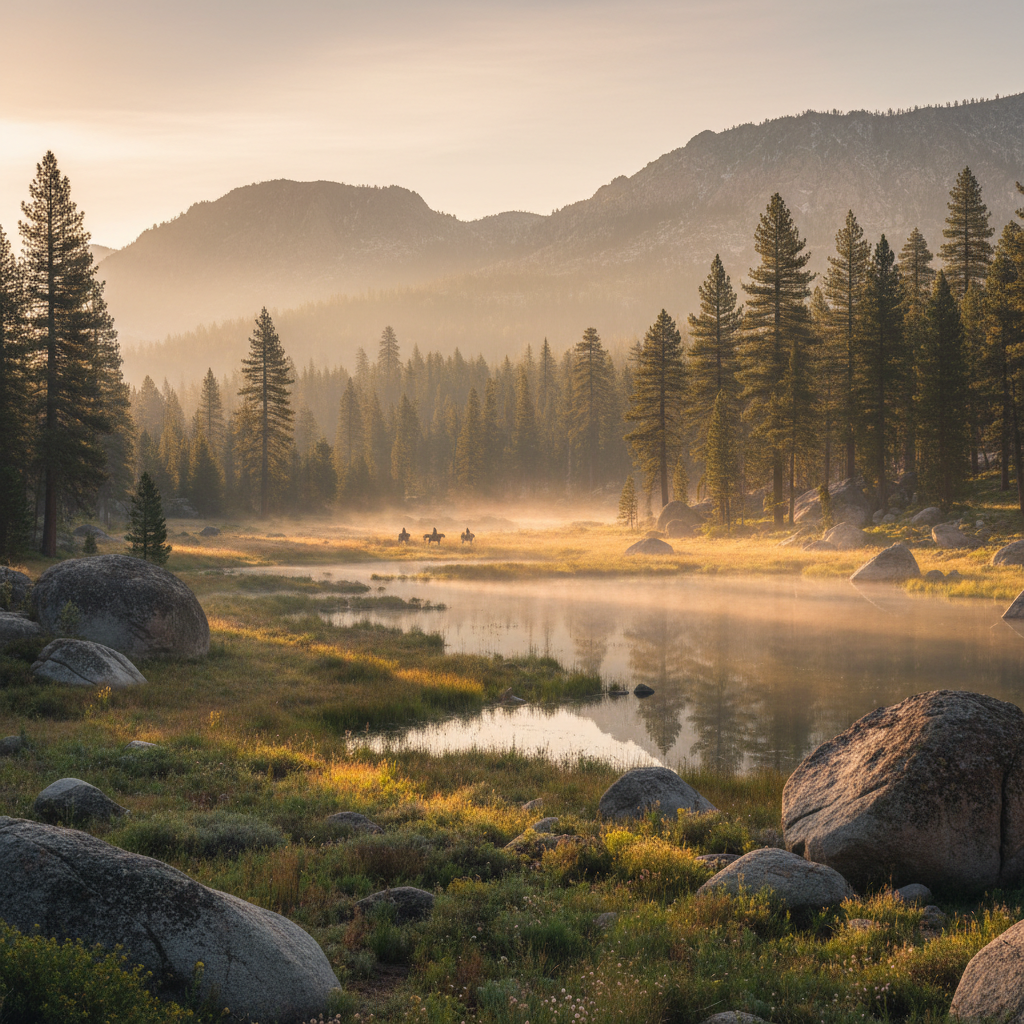
Big Bear Valley was home to the Yuhaaviatam, a clan of the Serrano people, who called the area Yuhaaviat — commonly translated as Pine Place.
First Outsider Contact in the Mountain Region
Historical timelines tie early outsider contact in the broader mountain region to deserting Spanish soldiers in 1772.
Benjamin Wilson Enters Bear Valley
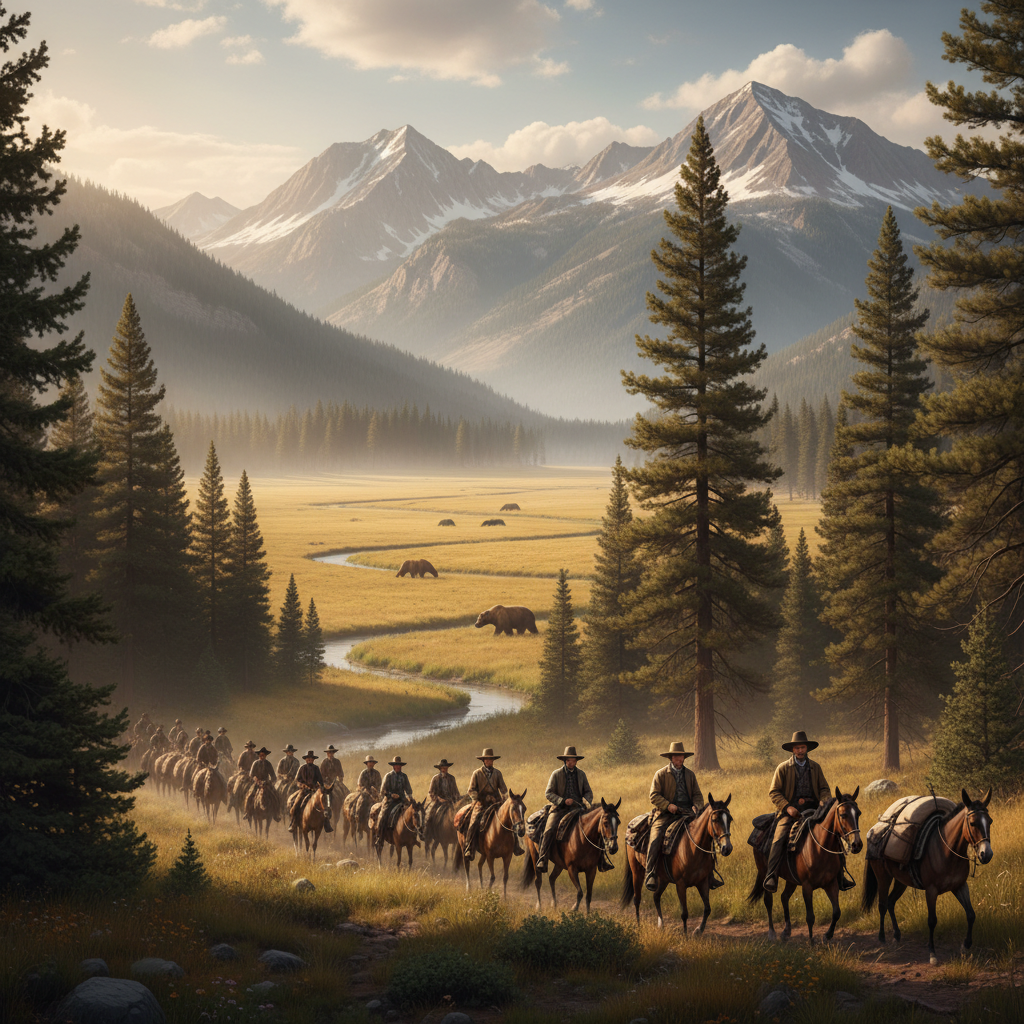
Benjamin Davis Wilson entered the valley and encountered so many grizzly bears that the modern naming of Bear Valley / Big Bear took shape.
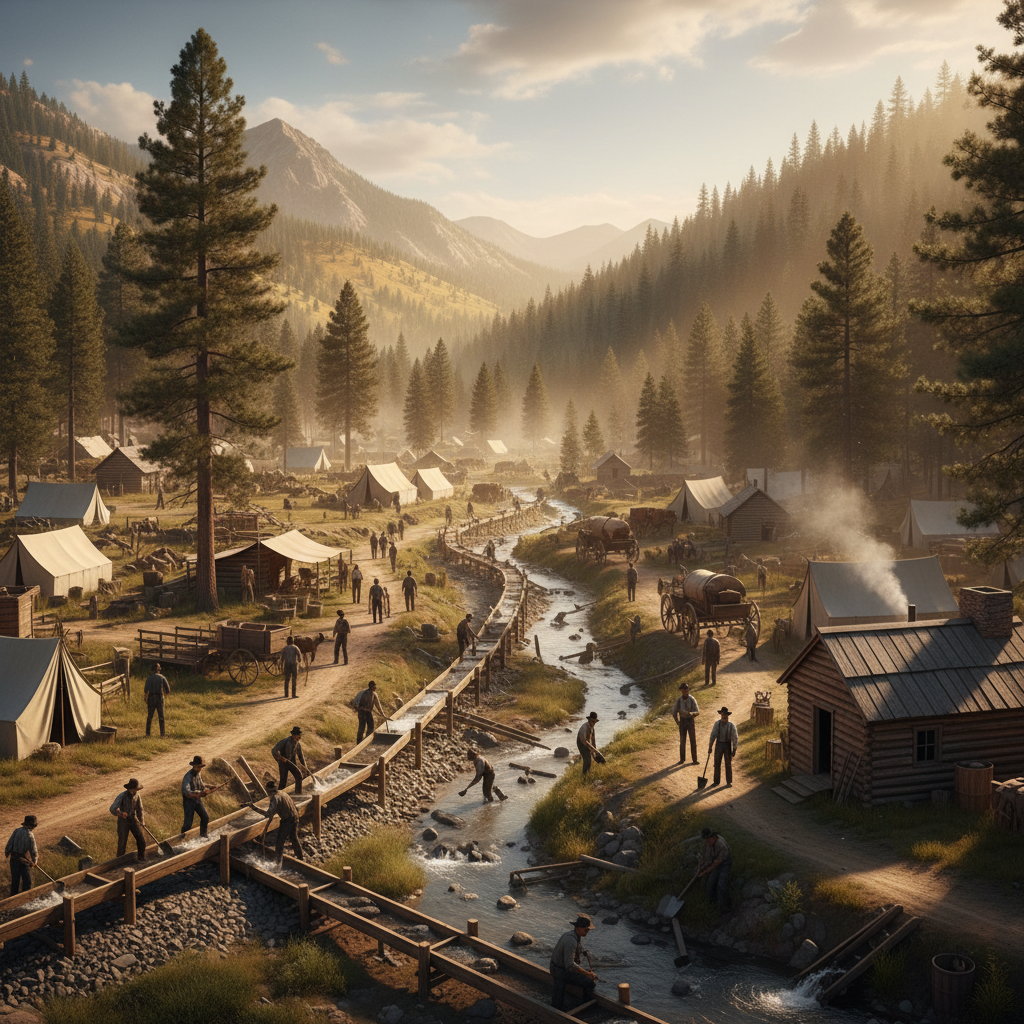
William Holcomb Discovers Gold
William Holcomb discovered gold north of Big Bear Lake, launching the Holcomb Valley rush — Southern California's largest gold rush.
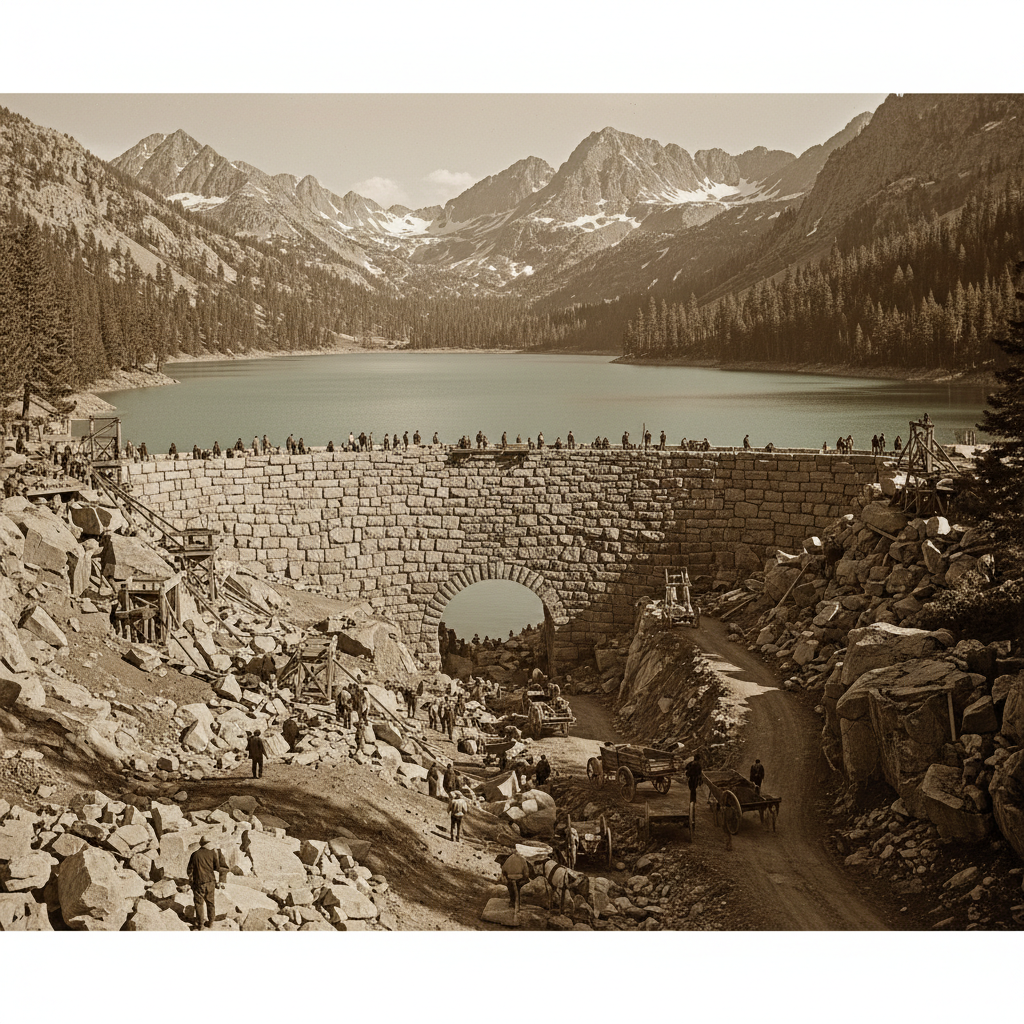
Frank Brown Builds the Rock Dam
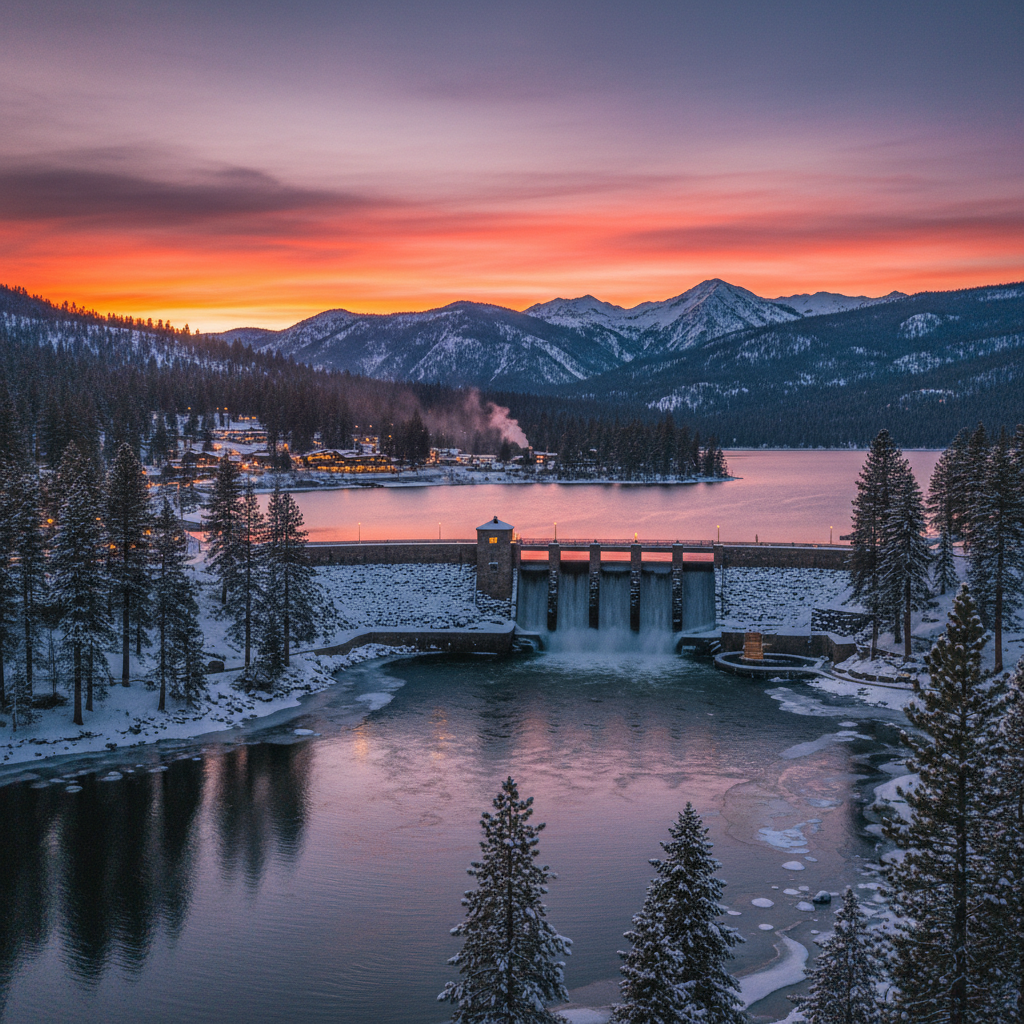
Frank Brown's original Rock Dam created Big Bear Lake, described in period accounts as one of the world's largest artificial lakes of its day.
Bear Valley Dam Enlarged
The dam was enlarged in 1912, increasing the size and long-term importance of Big Bear Lake.
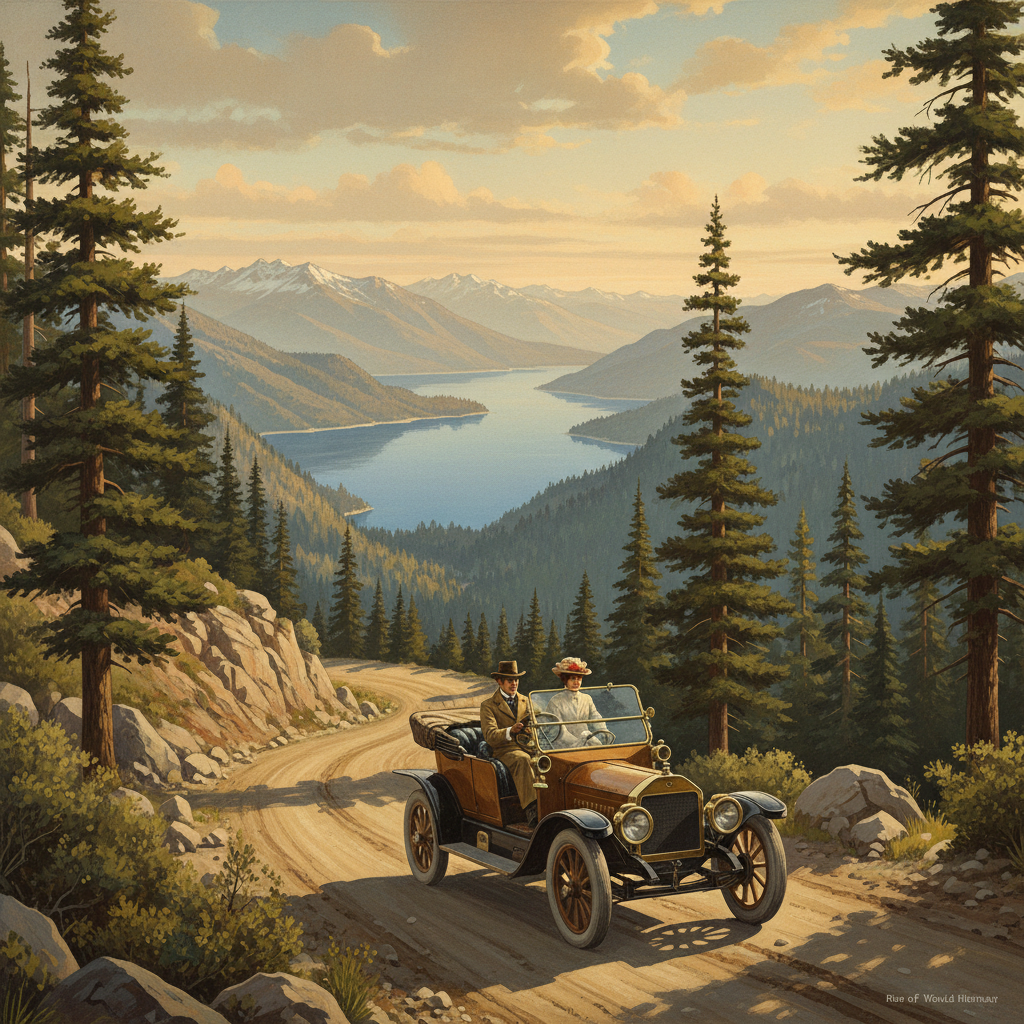
Roads, Boating & the Recreation Era
The Rim of the World Highway helped open Big Bear to automobile tourism, and by 1916 the lake had become a boating and fishing destination.
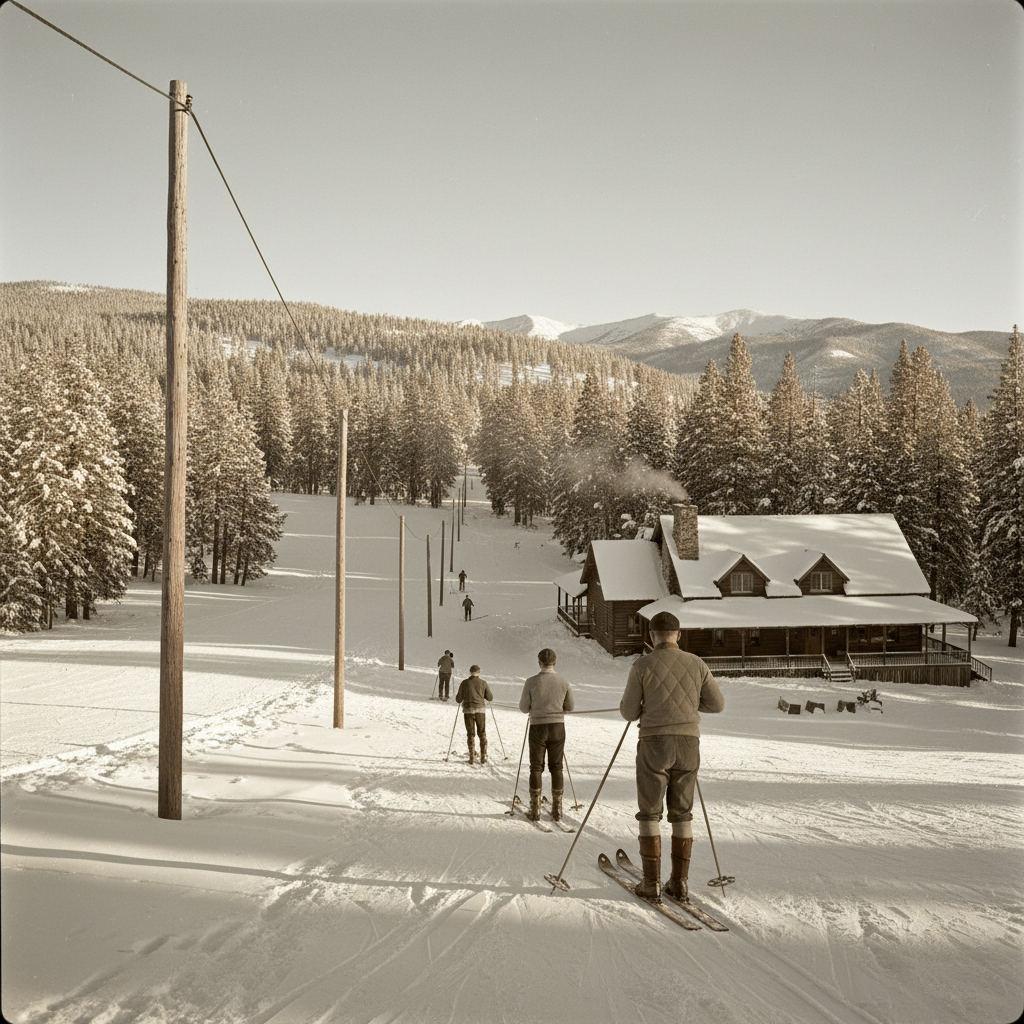
The Ski Era Begins
Moonridge Ski Area opened in 1943, Snow Forest followed in 1949, and Snow Summit opened in 1952 — launching Big Bear's modern winter identity.
Big Bear Lake Incorporates as a City
Big Bear Lake incorporated as a city in 1980, marking the start of its modern municipal era.
Why This History Matters Today
Big Bear's past is not hidden — it is underfoot. Holcomb Valley still reads as a gold-rush landscape. The dam still defines the lake. The museum preserves cabins, tools, and everyday valley memory. The ski hills still carry the names and geography of the winter boom. Even the lakefront views that feel timeless are tied to irrigation engineering, roads, tourism, and generations of local reinvention.
Understanding Big Bear history turns a weekend escape into a deeper connection: the valley is not just a destination, but a layered mountain place shaped by Indigenous homeland, wildlife, mining, water, roads, recreation, and community.
Historic Places
Visit the places where Big Bear's history is still visible — from Holcomb Valley and the dam to the museum, lake, forest, and ski landscapes.
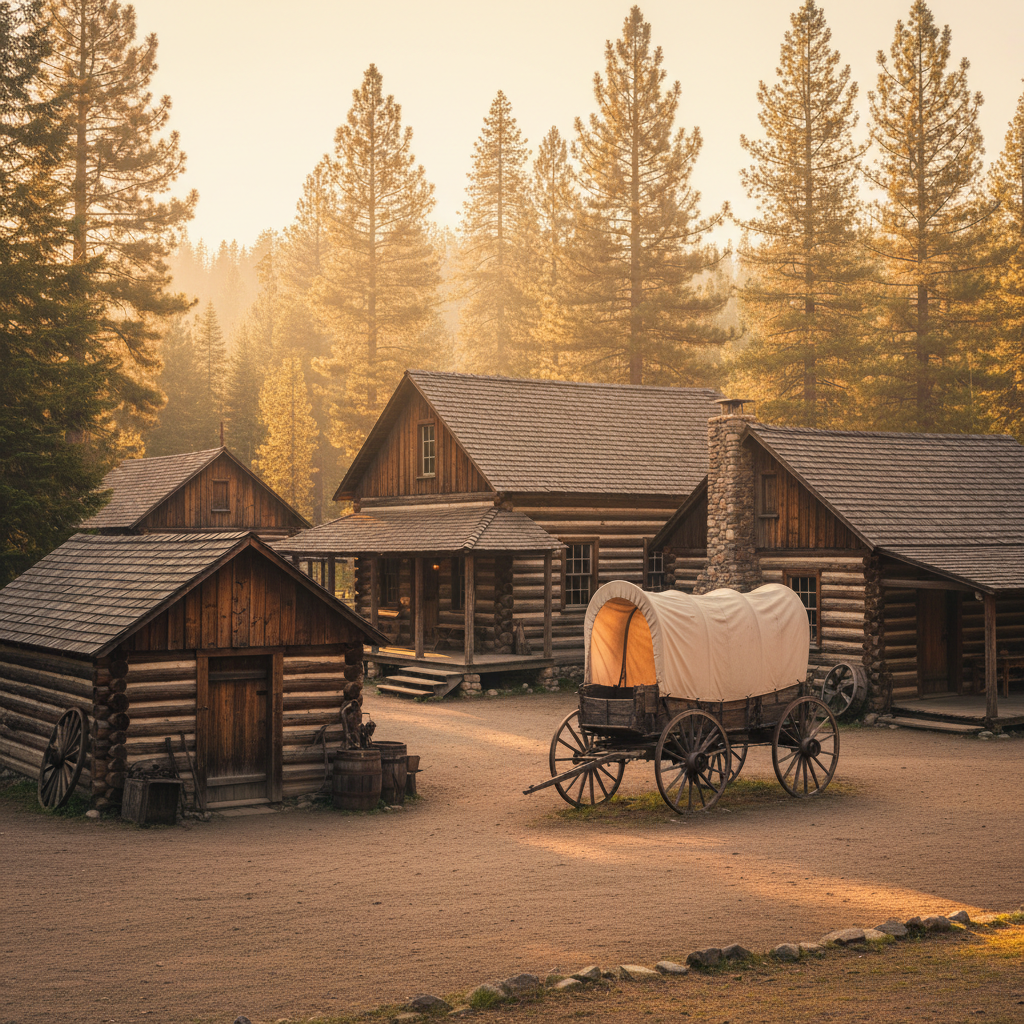
Big Bear Valley Historical Museum / Eleanor Abbott Museum
Operated by the Big Bear Valley Historical Society, the museum preserves cabins, artifacts, equipment, mining history, and local stories that make the valley's past tangible. It is the essential starting point for anyone who wants to understand Big Bear beyond the postcard view.
The valley's key local institution preserving pioneer, mining, ranching, and mountain-community history.
Holcomb Valley
Holcomb Valley still carries the memory of mining camps, claims, rough roads, and the boom that followed William Holcomb's 1860 discovery. It is Big Bear's most powerful gold-rush landscape and a must-know chapter in mountain history.
The landscape of Southern California's largest gold rush and one of Big Bear's most important historic places.
Big Bear Lake & Bear Valley Dam
The original 1884 Rock Dam and the enlarged 1912 dam transformed Bear Valley into Big Bear Lake — shifting the valley's future toward recreation, tourism, homes, boating, fishing, and alpine resort life.
The water project that physically created the lake and made modern Big Bear possible.
Rim of the World Highway
When mountain roads improved and the Rim of the World route opened, Big Bear became reachable for Southern California visitors seeking cool air, lake recreation, cabins, and scenic mountain travel.
The road that helped turn Big Bear into an automobile-accessible mountain destination.
Moonridge / Snow Summit / Bear Mountain Ski Areas
From Moonridge Ski Area in 1943 to Snow Summit in 1952 and the later Bear Mountain era, ski culture reshaped Big Bear's economy, identity, architecture, and year-round visitor rhythm.
The winter recreation layer that turned Big Bear into a true four-season Southern California mountain resort.
Big Bear Discovery Center
The Discovery Center helps visitors understand Big Bear as an ecological and cultural landscape — tying forest stewardship, recreation, wildlife, Indigenous context, and public lands together.
A modern interpretive gateway to the forest, lake, wildlife, and cultural landscape of the San Bernardino Mountains.
A Mountain Story Built in Layers
Big Bear's identity is not one story — it is six overlapping mountain histories still visible in the valley today.
Yuhaaviatam Living Homeland
Big Bear's first layer is Yuhaaviat — Pine Place — homeland of the Yuhaaviatam, a Serrano clan whose story predates every modern landmark in the valley.
Grizzly & Expedition Memory
The Bear Valley name came from a landscape where grizzlies were once powerful enough to define the valley in outsider memory.
Gold Rush Mountain Country
Holcomb Valley gave Big Bear a rush-town layer: miners, cabins, claims, rough roads, and the boom that pulled Southern California into the mountains.
Lake & Dam Identity
Big Bear Lake is both natural-feeling and engineered — a reservoir that became the emotional and visual center of the valley.
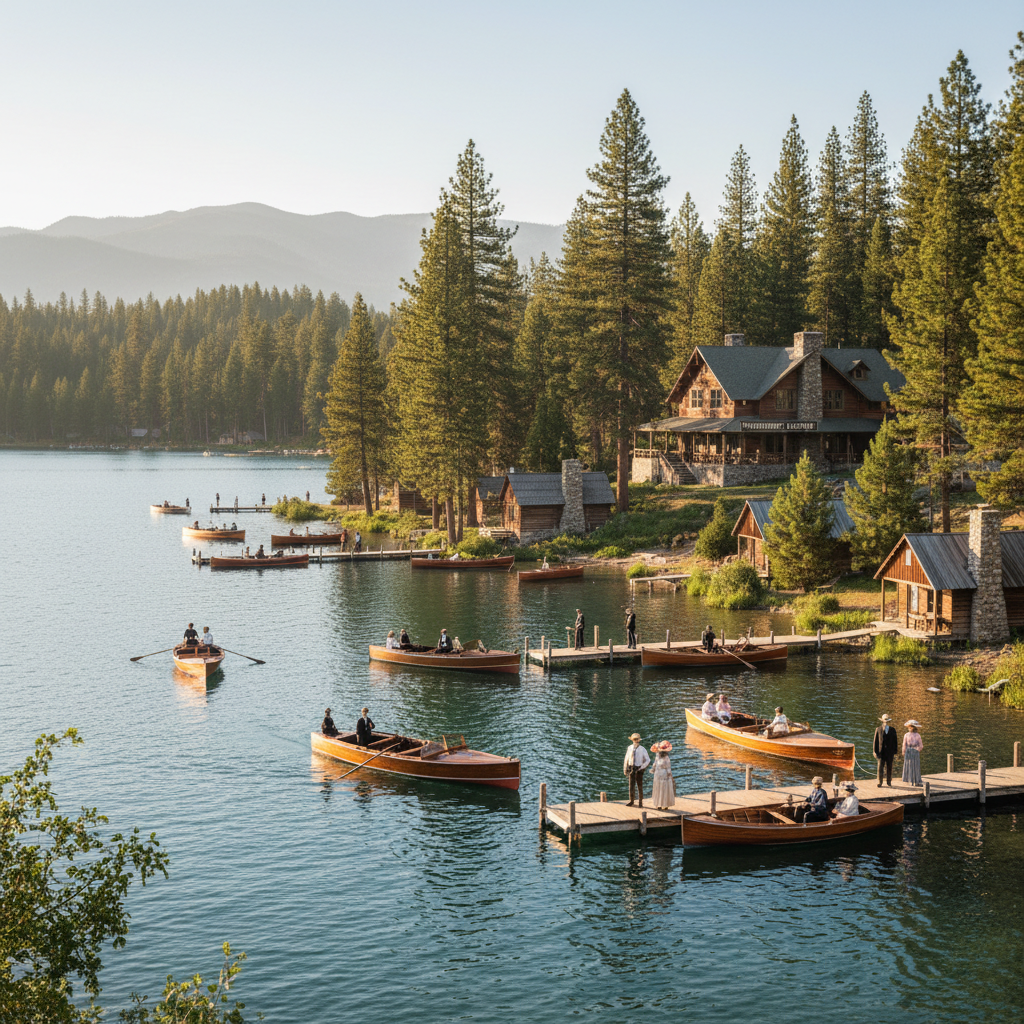
Cabins, Roads & Resort Life
Road access, boating, fishing, cabins, and summer escapes made Big Bear a classic Southern California mountain retreat.
Ski & Snow Culture
Moonridge, Snow Forest, Snow Summit, and Bear Mountain made Big Bear a winter classroom and playground for generations of Southern Californians.
Notable Figures & Keepers
The people, communities, and institutions who shaped — and preserve — Big Bear's layered mountain history.
Yuhaaviatam Elders
Original people of Yuhaaviat / Pine Place
Benjamin Davis Wilson
Expedition leader tied to Bear Valley naming
William F. Holcomb
Gold discoverer in Holcomb Valley
Frank E. Brown
Builder of the original Rock Dam
Early Lake Resort Builders
Opened Big Bear to boating, fishing, cabins, and tourism
Early Ski Operators
Built Moonridge, Snow Forest, and Snow Summit ski culture
Eleanor Abbott
Name tied to Big Bear's historical museum legacy
Big Bear Valley Historical Society
Preserves and interprets valley history
Places with Deep Roots
Big Bear's history lives in valleys, shorelines, ski hills, museum grounds, and mountain roads. Explore the places that carry the story.
Big Bear Lake
1884 – present
The lakefront city shaped by dam engineering, boating, fishing, resorts, cabins, and incorporation in 1980.
Big Bear City
Pioneer / museum era
Home to the Big Bear Valley Historical Museum and a core place to understand everyday valley life beyond the lakefront.
Holcomb Valley
1860 gold rush
The mining landscape north of the lake where William Holcomb's discovery triggered Southern California's largest gold rush.
Moonridge
1943 ski era
The winter-recreation district tied to Moonridge Ski Area, Bear Mountain, and Big Bear's evolution into a four-season resort.
North Shore
Forest / interpretation
A quieter shoreline tied to forest access, the Discovery Center, and the interpretive landscape of the mountains.
The Village
Tourism growth
The pedestrian heart of modern Big Bear tourism, shaped by lake recreation, cabins, restaurants, shopping, and year-round visitors.
Keep Exploring Big Bear
From the lake and trails to restaurants, cabins, and neighborhoods that define Big Bear today.
Explore Everything BB
The Lake & Mountain
Events & News
Neighborhoods
Schools & Family
Everything BB is your premium guide to California's beloved alpine escape — the lake, the cabins, the Village, the slopes, and the mountain. Curated for the people who live, escape to, and vacation in Big Bear. Part of the Everything California network.
Explore More of California
The Everything Network — 16 California Regions