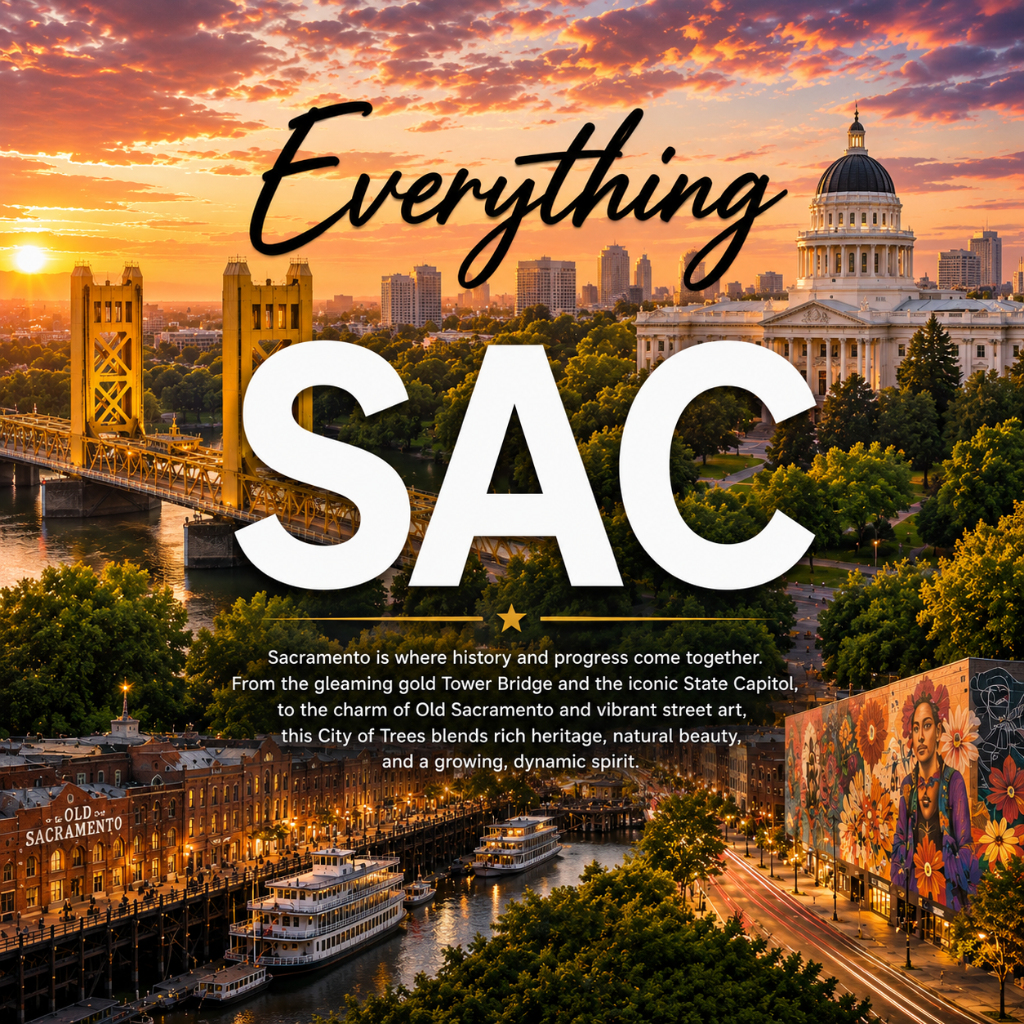

Sacramento
Neighborhood Guide

Complete Guide to Midtown Sacramento

Midtown Sacramento is a highly walkable historic district known for its diverse culinary scene, Victorian architecture, and vibrant arts community. It serves as a central residential and entertainment hub that connects Sacramento's historic past with its modern urban growth.

← All Sacramento Neighborhoods

Midtown Sacramento serves as the cultural and residential epicenter of California’s capital, defined by its historic street grid and dense canopy of mature Elm and Zelkova trees. Situated east of Downtown and west of East Sacramento, this neighborhood balances a relaxed residential atmosphere with a high-energy commercial core. Victorian-era homes and modern mid-rise apartments line the numbered and lettered streets, creating a walkable urban fabric. As the primary engine of the city’s 'Farm-to-Fork' movement, Midtown is home to a high concentration of independent art galleries, boutiques, and locally owned eateries. From the colorful crosswalks of Lavender Heights to the bustling Saturday morning farmers market, the district maintains a distinct identity rooted in historical preservation and contemporary urban lifestyle.

Defined Districts and Micro-Neighborhoods

Midtown is composed of several distinct micro-districts that contribute to its eclectic character. Lavender Heights, centered at 20th and K Streets, serves as the historic and cultural heart of the city’s LGBTQ+ community and features a high density of nightlife venues. To the west, the Handle District near 18th and L Streets offers a concentrated collection of upscale dining and specialty retail shops. The Sutter District, located around 28th and J Streets, is anchored by the Sutter Medical Center and the Sofia theater, creating a hub for healthcare and the performing arts. Along the southern edge, the R Street Corridor—once an industrial warehouse zone—has been transformed into a premier destination for live music, creative offices, and artisan markets. Each sub-area is connected by the city's signature tree-lined streets, maintaining a cohesive urban feel while offering specialized local experiences.

Midtown Association (Explore Midtown)

History and Architectural Character

The neighborhood’s history is anchored by Sutter’s Fort State Historic Park, which dates back to 1839 and represents the oldest restored fort in the United States. Following the Gold Rush, Midtown evolved into a primary residential area for Sacramento’s growing population. This legacy is visible today through the extensive preservation of Victorian, Italianate, and Queen Anne-style architecture. Many of these grand 19th-century homes have been meticulously restored as single-family residences or converted into multi-unit apartments and professional offices. Beyond the historic housing stock, Midtown is famous for its 'Wide Open Walls' initiative, which has populated the neighborhood with dozens of massive, professionally painted murals. This blend of gold-rush era foundations and modern street art creates a visual landscape that reflects Sacramento's evolution from a pioneer outpost to a modern state capital.

California State Parks / City of Sacramento Heritage Program

The Farm-to-Fork Dining Scene

Midtown is the physical manifestation of Sacramento’s 'Farm-to-Fork' identity, benefiting from its proximity to the Central Valley’s agricultural abundance. The neighborhood hosts the Midtown Farmers Market every Saturday, spanning several blocks on 20th Street and featuring over 90 regional vendors. Permanent culinary landmarks include Mulvaney's B&L, housed in a historic 1891 firehouse, and the nationally recognized chocolates of Ginger Elizabeth. The dining landscape is characterized by its lack of national chains, favoring independent operations like LowBrau and Zocalo. Coffee culture is equally prominent, with local roasters like Temple Coffee and Old Soul Co. providing social hubs throughout the grid. This concentration of chef-driven concepts and artisanal producers has established Midtown as a premier dining destination in Northern California, attracting food enthusiasts from across the state and beyond.

Visit Sacramento / Midtown Association

Parks, Recreation, and the Urban Forest

Known as the 'City of Trees,' Sacramento’s urban forest is most evident in Midtown, where the canopy significantly reduces summer temperatures. The neighborhood features several key public squares, including Fremont Park, which serves as a venue for community events and outdoor yoga, and Winn Park, known for its weekly Wednesday evening markets. Marshall Park offers playground facilities and lawn space catering to the area’s growing number of families. For those seeking more expansive nature, the neighborhood provides easy access to the American River Parkway, a 32-mile multi-use trail system used for cycling and running. These green spaces act as essential 'outdoor living rooms' for residents living in high-density housing, providing a necessary balance to the surrounding urban environment and supporting the neighborhood's reputation as one of the most livable districts in the city.

City of Sacramento Department of Youth, Parks, & Community Enrichment

Transportation and Connectivity

Midtown is widely considered the most transit-friendly and walkable neighborhood in Sacramento. With a Walk Score consistently in the 90s, most residents can complete daily errands without a vehicle. The neighborhood is designed on a logical grid system that makes navigation intuitive for newcomers. For longer commutes, the Sacramento Regional Transit (SacRT) Blue and Gold light rail lines skirt the edges of the district, providing direct links to Downtown and the surrounding suburbs. Bicycling is a primary mode of transport here, supported by an increasing network of protected bike lanes and the city’s electric bike-share program. While street parking is largely governed by residential permits and meters, the area's compactness encourages a 'park once' philosophy. This multimodal infrastructure supports a lifestyle where cars are optional, reinforcing the neighborhood’s environmental goals and urban character.

Walk Score / Sacramento Regional Transit (SacRT)

Pros

  • • High density of top-tier independent restaurants and cafes
  • • Extremely walkable and bike-friendly grid layout
  • • Rich cultural scene with frequent art walks and festivals
  • • Beautiful historic architecture and mature tree canopy

Cons

  • • Public street parking is limited and strictly enforced
  • • Higher rental and real estate prices compared to city averages
  • • Urban noise levels can be high near nightlife districts
  • • Limited large-scale grocery store options within the immediate grid

Frequently Asked Questions

What is the difference between Downtown and Midtown Sacramento?

Downtown is the city's central business district, home to the State Capitol, Golden 1 Center, and high-rise offices. Midtown is primarily residential and cultural, featuring historic homes, local boutiques, and the bulk of the city's nightlife and dining.

Is Midtown Sacramento safe for visitors?

Midtown is generally considered safe and is active with pedestrians day and night. Like any urban center, visitors should remain aware of their surroundings, use well-lit paths, and avoid leaving valuables in parked vehicles.

Where is the best place to park in Midtown?

Street parking is available but often limited to two hours for those without residential permits. For longer stays, several public garages are located near the Handle District and R Street, or visitors can use the SacRT light rail to avoid parking entirely.

Editor ReviewedLast updated: July 2, 2026By Everything Sacramento Editorial Team
Sources: Midtown Association (exploremidtown.org) · City of Sacramento Official Website · California State Parks · Sacramento Regional Transit · Walk Score Data 2024